



Environmental targets, infection‑control demands and supply‑chain shifts drive renewed focus on single‑use fabrics.
Absorbent hygiene products continue to lead global consumption of disposable nonwovens, yet the healthcare and medical sector remains an essential market, underpinning steady growth and ongoing material innovation.
Developments in polyolefin chemistry, biopolymers and closed-loop waste systems are creating promising options that point toward the increased use of sustainable medical nonwovens, while continuing to satisfy stringent infection control, regulatory and supply chain requirements.
The COVID-19 pandemic underlined the importance of nonwovens in the medical and healthcare sectors when the global supply of personal protective equipment (PPE) was vital for keeping frontline workers safe. In addition, the wearing of multilayered nonwoven face masks, with their ultrafine-fiber meltblown inner layers, became an essential strategy for protection against the virus in public spaces.
Barrier Properties
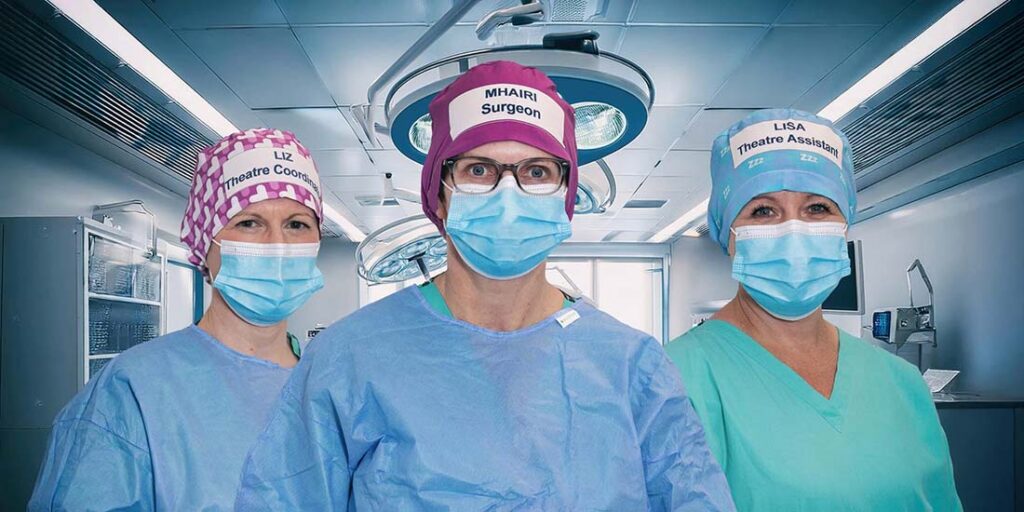
In the surgical arena, single-use nonwovens are routinely employed for drapes, gowns and masks owing to their effective barrier properties against fluids and pathogenic microorganisms, such as bacteria and viruses. They ensure a sterile environment in the operating room and reduce the risk of cross-contamination and surgical site infections, at the same time providing acceptable levels of durability, breathability, comfort and ease of movement.
Layered composites, which often combine spunbond and meltblown structures, offer soft inner surfaces for unobtrusive wear against the skin, together with durable outer layers that can withstand the abrasion and handling stresses of the operating room.
While the debate between single‑use nonwovens and reusable woven fabrics continues, concerns over laundering efficiency, fabric wear and the risk of cross‑contamination have pushed many hospitals toward disposable solutions.
By removing the variables of repeated washing and sterilization, disposables offer a level of consistency that busy clinical environments increasingly rely on. This is especially true in high‑throughput surgical centers, where infection‑control teams enforce rigorous hygiene standards and have little tolerance for uncertainty.
Also in the operating room environment, sterilization wraps and medical packaging made from nonwoven fabrics are designed to maintain the sterility of surgical instruments and medical devices. Many of the components in customized procedure trays, which contain items required for a specific surgical procedure, can be individually wrapped in nonwovens. These materials offer the required durability, tear and puncture resistance and breathability, and can withstand the rigors of current sterilization methods, such as steam, ethylene oxide and gamma radiation.
Infection Prevention In Wounds
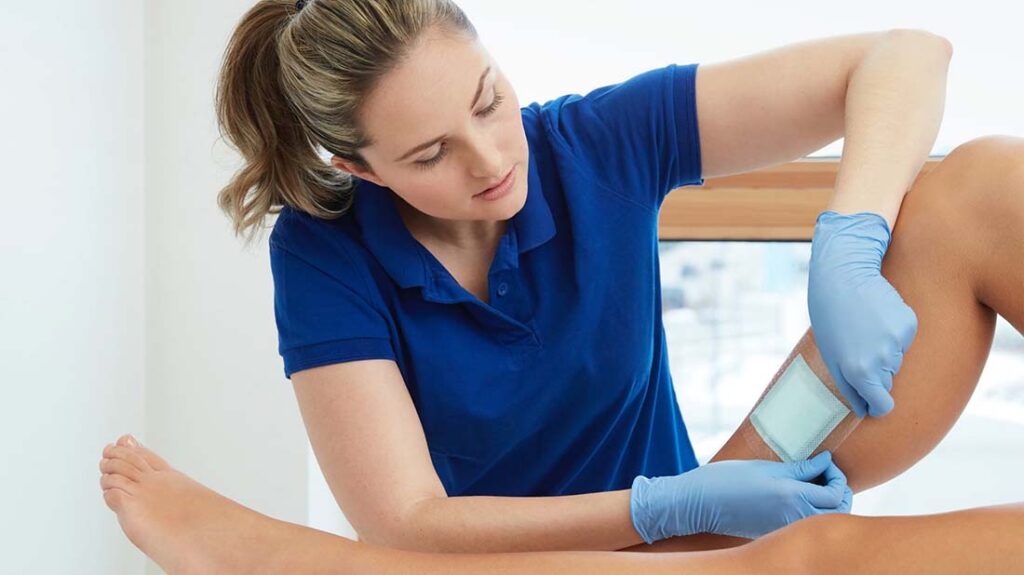
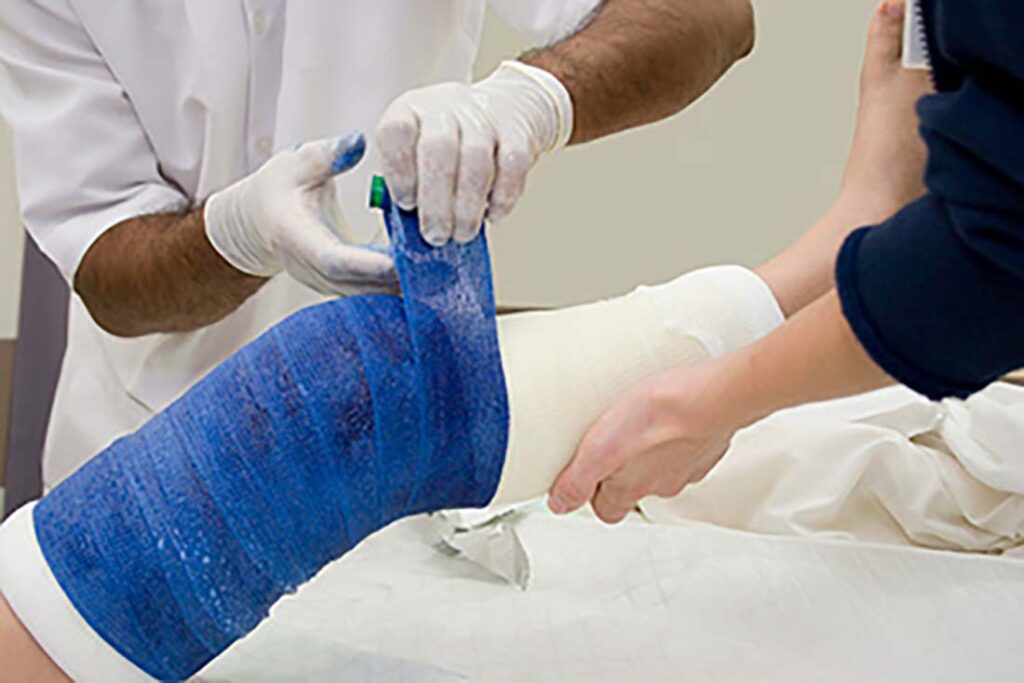
Nonwovens are also used in many wound care products such as dressings, bandages and surgical sponges. Their high absorbency and breathability contribute to exudate management, promote a moist healing environment and prevent infection. Nonwoven dressings can be easily impregnated with antimicrobial agents to enhance protection, while their inherent softness and conformability enable them to be comfortably applied to a wide range of wound types and locations.
More recent nonwoven innovations include scaffolds for three-dimensional biological tissue engineering, implantable fabrics that can reinforce natural tissues and nanofiber nonwoven filtration media offering enhanced particle capture properties.
Used as scaffolds in tissue engineering applications, composite nonwovens can provide high porosity and surface area, facilitating better cell attachment and growth, while nonwoven scaffolds used in wound care can influence the behavior of contractile cells in the wound bed, reducing scar formation. Further, polypropylene nonwoven materials are used as hernia meshes owing to their ability to integrate with tissue and minimize adhesion formation.
Growing Demand
Against the backdrop of a rapidly evolving healthcare sector, an aging population and a growing incidence of chronic conditions, the global medical nonwovens market was estimated at $1.5 billion in 2023 and is projected to reach $2.1 billion by 2030, growing at a compound annual growth rate of 4.8 percent during the 2024–2030 period, according to Stratview Research. The key growth driver is the increasing need for infection control in healthcare settings, as medical nonwovens enable disposable, sterile and highly protective solutions that reduce contamination risks and improve patient safety.
Following the coronavirus outbreak, the increased awareness of health and safety has driven innovation in the development of nonwoven medical textiles. However, the market is now experiencing an oversupply of nonwoven materials, especially in spunmelt and meltblown capacity, impacting pricing and pushing manufacturers to focus on higher‑value medical fabrics, digital quality control and sustainable technologies. As a result, many producers are now focusing on specialized medical nonwovens rather than commodity PPE.
Defining Priority
As in all technical textile sectors, sustainability is rapidly becoming a defining priority for medical product manufacturers and healthcare providers. Hospitals are under increasing pressure to cut waste, original equipment manufacturers are rethinking supply chains through a greener lens, and product designers are searching for materials that meet environmental targets without compromising clinical performance.
A key challenge is the environmental footprint of single‑use nonwoven products. The surge in disposable medical items has intensified waste volumes, sharpening the industry’s focus on developing more sustainable options.
With many healthcare organizations looking for renewable alternatives to petroleum-based disposables, biobased and compostable medical nonwovens, such as polylactic acid (PLA) and polybutylene adipate terephthalate (PBAT), are starting to gain momentum; there are indications of a shift toward the use of PLA‑based and biopolymer nonwovens for gowns, masks, drapes and wound care products.
In the past, sustainable materials have struggled to match the performance of traditional, low-cost polypropylene. PLA, however, can offer breathability, softness and renewable sourcing while meeting medical‑grade performance requirements.
Recent Developments

According to Beaver Dam, Ky.-based WPT Nonwovens Corp., recent developments have resulted in PLA-based medical-grade nonwovens with higher-strength fiber bonding; better liquid-barrier control in spunbond-meltblown-spunbond (SMS) and spunbond structures; enhanced filtration efficiencies for face masks and clinical PPE; and specialized coatings that maintain breathability while supporting fluid resistance.
And as the demand for biodegradable and recyclable nonwoven materials in the medical sector grows, an increasing number of fiber and raw materials suppliers and nonwovens manufacturers that exhibited at the recent INDEX™26 nonwovens trade show in Geneva, Switzerland, are now opting for ISCC Plus certification for biobased feedstocks. These include BASF, ExxonMobil, Indorama Ventures, Magnera, Saudi German Nonwovens and Teijin Frontier.
A Sector In Active Reinvention
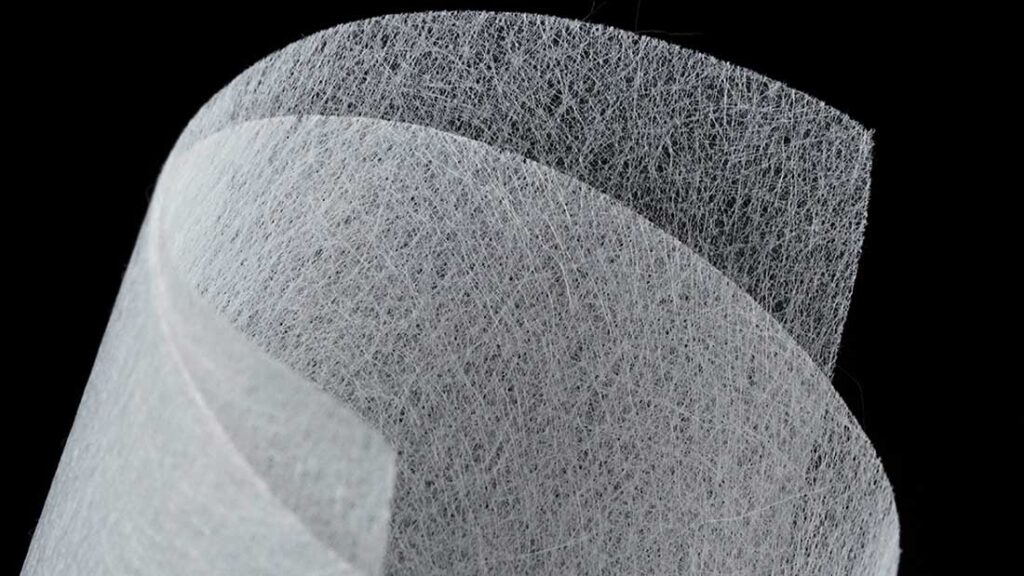
Medical nonwovens are developing rapidly as sustainability pressures, infection‑control demands and materials‑science innovation converge. Manufacturers are pushing into biobased and biodegradable polymers, refining spunbond and meltblown processes for higher‑performance SMS composites and developing next‑generation filtration layers that deliver stronger barrier protection with improved breathability.
Functional additives, from antimicrobial finishes to breathable barrier coatings, are expanding the capabilities of disposable fabrics, while new production lines and regionalized supply chains are enabling more specialized, higher‑value materials.
Together, these developments signal a sector in active reinvention, driven by both environmental expectations and the clinical need for consistent, reliable performance.