


The 2026 edition of NFPA 1850 updates care requirements for firefighter gear, with new guidance on cleaning, water quality, validation, documentation and contamination control.
The updated National Fire Protection Association (NFPA) 1850 standard reinforces a simple point: Firefighter gear must be properly cared for to stay ready for the next call.
The 2026 edition of NFPA 1850 brings several important updates to how organizations maintain their personal protective equipment (PPE). Some of these changes refine long-standing practices while others provide new details to manage.
It can feel like a lot, but the larger point is that there are many cleaning options based on type and level of contamination that organizations must consider prior to cleaning. Under NFPA 1850, cleaning is part of a larger PPE care program that supports firefighter health and gear performance.
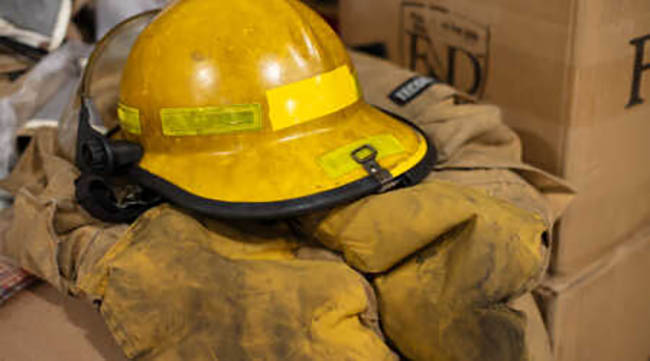
Dirty gear is not a badge of honor. Contaminated gear can carry harmful substances back into the apparatus, the station and living areas. Without clear documentation, it becomes difficult to show which items were cleaned, when they were cleaned and how the process was performed.
Before Cleaning, Assign Ownership
NFPA 1850 defines two key roles within the PPE maintenance program: Personal Protective Clothing (PPC) manager and Personal Protective Clothing technician.
The PPC manager has overall responsibility for the program including policies, training, life-cycle management, and contamination control; while the PPC technician is more hands-on, helping manage cleaning schedules, inspections, repairs, documentation and tracking. In many organizations, this work may already be happening informally, while the update gives it clearer ownership.
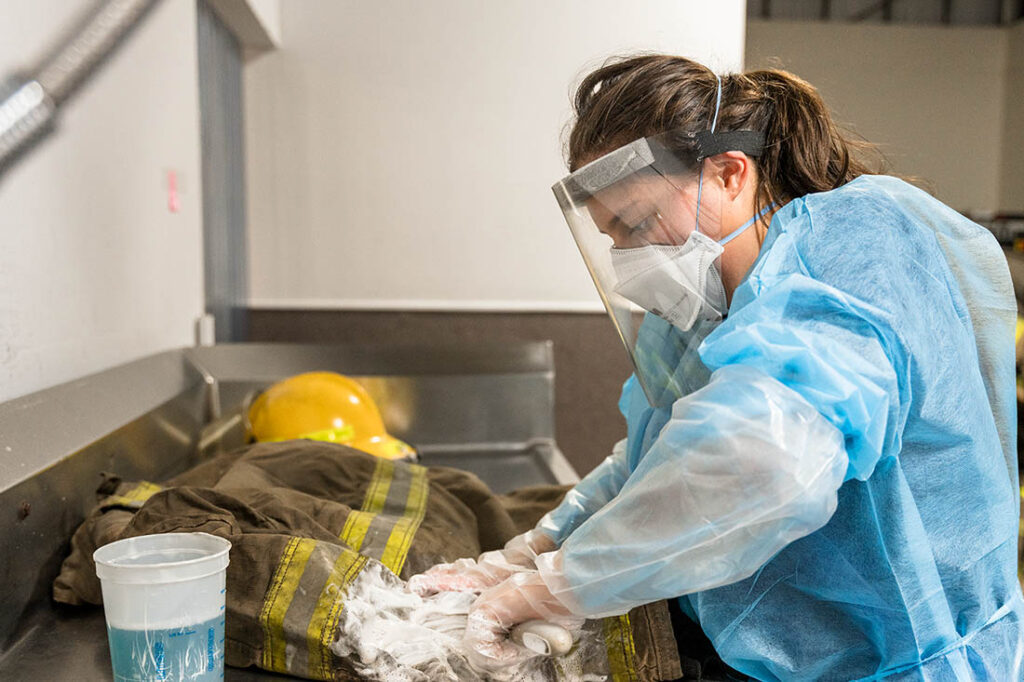
NFPA 1850 also reinforces the long-standing requirement that issued PPE must receive advanced cleaning at least once every six months, as well as after exposure to combustible materials. But several important items refine these practices:
- Recommendation to wash brand-new PPE prior to issue
Organizations should now consider washing new gear before it is issued to firefighters. Laundering PPE prior to issue can help remove manufacturing residues before garments go into service and may slightly improve thermal protective performance, helping the gear more closely reflect the manufacturer’s performance expectations. - Wash temperature limits have changed
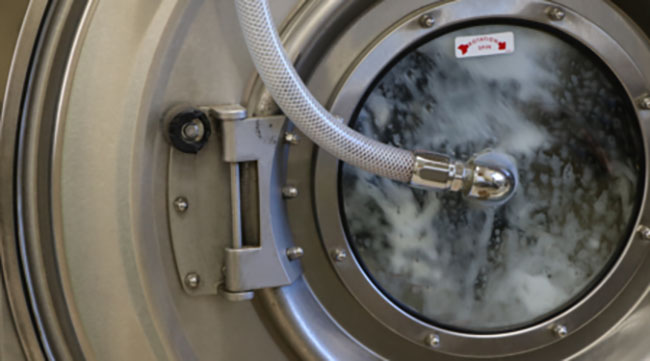
NFPA 1850 raises the maximum wash temperature from 105°F to 120°F, giving organizations and verified cleaning providers a little more room to enhance contaminant removal while still protecting the integrity of the gear. - Water quality plays a bigger role
The new requirements also place greater emphasis on water quality. Water hardness should be kept below 60 parts per million because hard water can make the cleaning process less effective and more difficult to remove heavy metal contamination.
Furthermore, organizations need to evaluate how wastewater from PPE cleaning is handled according to local, state and federal rules, as NFPA 1850 provides two years from the effective date of the 2026 edition to implement any needed changes. - Cleaning validation
Cleaning validation is another area where NFPA 1850 adds clarity. Verified cleaning providers must demonstrate that their process can remove specific contaminants from PPE, and the standard now prohibits manual scrubbing of test-sample fabrics during that validation process. Remember, NFPA 1850 is an end-user document. The goal is to provide a realistic advanced cleaning method that reflects how PPE is laundered in the field by the end user. - Lithium-ion contamination added to the decision-making process
NFPA 1850 now accounts for lithium-ion contamination in its decontamination decision trees, giving organizations and PPE care providers more guidance on how to mitigate contamination and utilize specialized cleaning when gear may have been exposed during battery-related events.
Cleaning Is One Part Of A Larger PPE Care Program
one year of a new standard revision.
Even though cleaning is the focus of many NFPA 1850 updates, it cannot stand alone. The standard reinforces the importance of routine and advanced inspections.
Routine inspection is a firefighter responsibility. Firefighters should look over gear after each use and at the start of each shift, checking for soiling, contamination, burns, charring, melting, discoloration, damaged reflective trim, seam issues, missing hardware, and signs of chemical or thermal damage.
Advanced inspections should be performed by someone with documented training, whether that is a verified independent service provider, a manufacturer-trained organization, or the element manufacturer.
Recordkeeping also remains critical. Every advanced cleaning, advanced inspection, repair and retirement decision must be documented so that each garment has a clear history throughout its service life. If an organization has to show the history of a specific garment, those records become essential.
Organizations Do NotHave To Manage It Alone
For many organizations, the challenge is translating the updated standard into daily practice, which starts with a written standard operating procedure (SOP). The SOP should explain when gear is cleaned, who performs or coordinates the cleaning, when gear needs advanced inspection, how contamination decisions are made, where records are kept and which NFPA 1850 third-party-verified providers are qualified to perform the work.
Ultimately, NFPA 1850 is about helping organizations keep gear ready for the next call while reducing avoidable risk for the firefighters who wear it. The cleaning updates make that responsibility more specific, measurable and transparent.