
Demand for sustainable nonwovens continues to rise across consumer and industrial sectors, especially as product teams look for where to find nonwoven materials for face masks or hygiene products that meet performance and environmental expectations. Companies now recognize that eco-driven sourcing supports compliance requirements and strengthens brand credibility with customers who want safer and more responsible products.
This shift reflects a broader move toward life cycle thinking, where every sourcing decision shapes a product’s footprint and long-term value. Innovation leaders are crucial in this evolution by delivering advanced nonwoven technologies that help manufacturers transition toward greener materials.
Why Sustainable Nonwovens Are Becoming a Priority for Modern Product Teams
The shift toward eco-friendly nonwovens comes from tighter regulations and rising pressure from customers who want cleaner and more transparent products. Innovation leaders are vital in this evolution by delivering advanced nonwoven technologies that enable manufacturers to transition toward greener materials.
This matters more than ever since nearly 20% of the world’s carbon emissions come from the manufacturing and production sectors, which makes material choices critical to any decarbonization plan. Forward-thinking procurement teams focus on clear sustainability indicators such as bio-based or recycled content, solvent-free processes, verifiable chain-of-custody certifications and long-term supplier transparency that support smarter, more resilient sourcing strategies.
Types of Eco-Friendly Nonwoven Materials
Eco-friendly nonwoven materials are now available in various fiber types and manufacturing methods that support sustainability goals and meet high-performance product needs. Purchasing and product development teams benefit when they understand these options clearly, making it easier to choose materials that align with technical requirements and environmental priorities.
Bio-Based Nonwovens
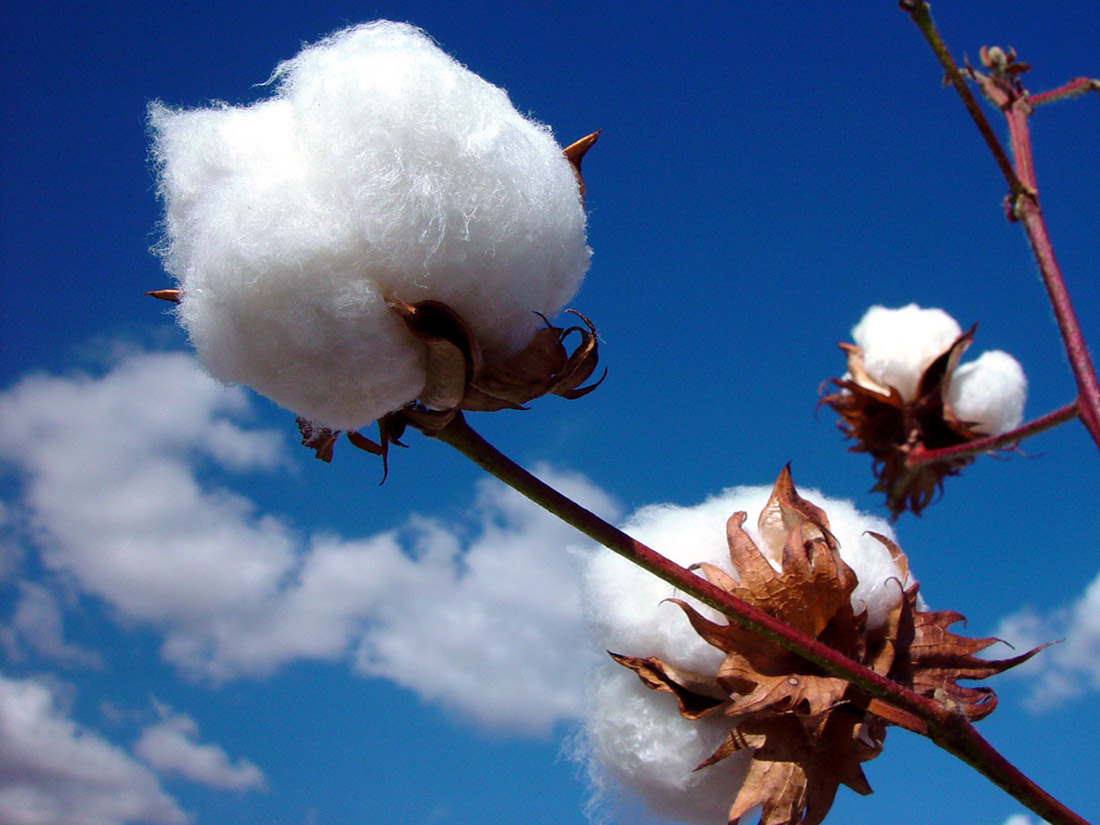
Plant-derived fibers such as bamboo and sugarcane offer manufacturers a cleaner path forward by replacing petroleum-based inputs with renewable sources that still provide dependable performance. These bio-based materials deliver breathability and solid tensile strength, which make them ideal for personal care products, medical consumables and light to moderate filtration needs.
Some next-generation options even rely on renewable waste oils, achieving an impressive 85% reduction in greenhouse gas emissions and giving sourcing teams a measurable way to shrink their environmental impact. While certain bio-based fibers may face limitations in high-heat or heavy-stress applications, they remain a strong choice for companies that want sustainable nonwovens backed by real-world performance and reliable supply.
Recycled-Fiber Nonwovens
Recycled nonwovens made from post-consumer or post-industrial PET and polypropylene give manufacturers a practical way to cut waste while keeping material performance strong. These options help reduce demand for virgin plastics. Still, purchasing teams must evaluate several quality factors before onboarding a recycled supplier.
They need to check for consistent fiber purity, stable melt-flow rates, reliable tensile strength, and any variability that could affect downstream processing or product durability. Teams should also verify contamination controls and certification standards to ensure the recycled content meets sustainability goals and the technical requirements of their end-use applications.
Solvent-Free and Low-Impact Nonwovens
Advanced manufacturing methods now help nonwoven producers eliminate harsh solvents and reduce energy use by relying on cleaner extrusion techniques, optimized thermal bonding and precise process controls that cut unnecessary waste. These improvements lead to lower emissions, safer working conditions and more consistent material quality that supports reliable downstream performance.
Asahi Kasei Advance America strengthens this shift by introducing innovative processes that create cleaner production pathways and help manufacturers align with modern sustainability expectations. Its approach shows how technology, efficiency and environmental responsibility can work together to deliver high-performing nonwovens without added operational strain.
What Purchasing Teams Should Look for in a Sustainable Nonwoven Supplier
Purchasing teams look for nonwoven suppliers with transparent sourcing policies and third-party environmental certifications that verify real sustainability practices. These factors become more important as organizations evaluate where to find nonwoven materials for face masks or hygiene products that balance sustainability with high performance.
For example, the Global Organic Textile Standard has developed individual processing standards for organic textiles. These guidelines also uphold proven consistency in fiber quality and performance across every lot, which ensures materials behave predictably in hygiene, filtration or medical applications.
Strong suppliers demonstrate the ability to meet tight technical specifications while maintaining scalable production capacity and dependable on-time delivery. Many teams also value companies that offer research and development (R&D) collaboration, giving product developers a chance to refine materials or co-create new solutions based on market needs.
Where to Find Nonwoven Materials for Face Masks or Hygiene Products
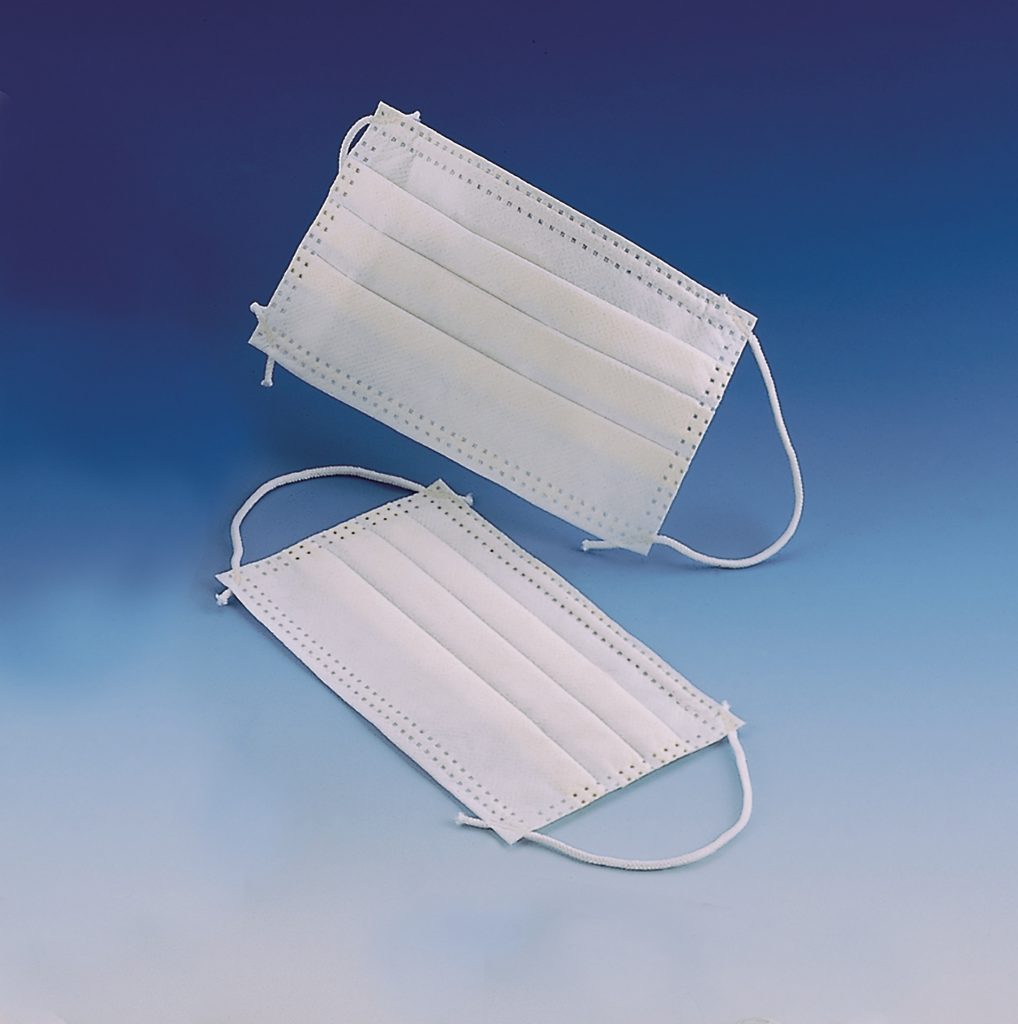
Teams sourcing meltblown, spunbond or biodegradable nonwovens often turn to specialized manufacturers, certified medical suppliers, and established converters that understand the strict demands of hygiene and filtration markets. Evaluating true medical-grade quality starts with a close look at sterility controls, clean-room production environments, fiber uniformity and filtration performance validated through consistent testing.
Vetted suppliers that pair sustainable material choices with dependable protective capabilities give purchasing and product development teams the reliability they need for high-risk applications. Asahi Kasei Advance America stands out in this space as a trusted provider of high-quality spunbond and advanced nonwoven solutions. It helps manufacturers develop next-generation face masks and hygiene products that meet sustainability goals.
How Asahi Kasei Advance America Supports a Greener Nonwoven Supply Chain
Asahi Kasei Advance America demonstrates a clear commitment to sustainability and innovation, aligning its mission with the larger Asahi Kasei Group goal of “contributing to life and living for people around the world.” The company offers advanced R&D support and in-house technical testing, which enables product development teams to refine materials and align functional specifications from early design through final validation.
Its material-improvement programs emphasize continuous innovation, whether it is the 100% biodegradable Bemliese or the compostable ECORISE line. It demonstrates how teams can access expert guidance on where to find nonwoven materials for face masks or hygiene products that balance sustainability with performance.
Building a Long-Term Sustainable Sourcing Strategy
Cost modeling, vendor scoring and life-cycle assessment are central in helping teams choose greener nonwoven materials that balance performance and long-term cost control. These tools give companies a clearer view of true environmental impact and supplier reliability, which matters as more than 2,200 companies monitor their contributions to a circular economy.
Strong sourcing strategies rely on close collaboration between procurement, design and quality assurance. Every decision supports functional needs and compliance. Teams future-proof their products by aligning material choices with sustainability regulations and rising consumer expectations for transparency and measurable environmental progress.
Sustainable Choices That Strengthen Every Product Line
Sustainable nonwovens are now essential for building competitive and compliant product lines in industries that demand high performance and responsible sourcing. Teams that understand where to find nonwoven materials for face masks or hygiene products gain an advantage when they evaluate suppliers through a balanced lens of durability and technical innovation. This approach helps organizations strengthen their product roadmaps and stay ahead of evolving market expectations.