


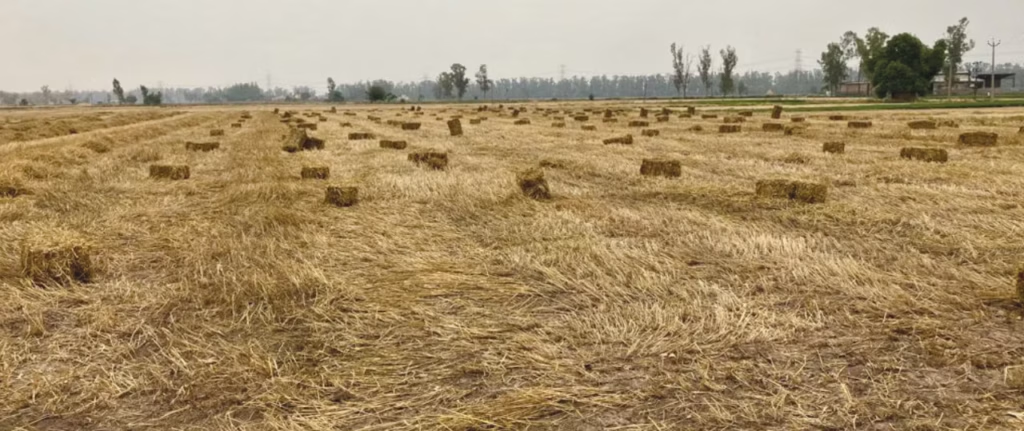
A new report from the environmental nonprofit group Canopy, Vancouver, BC, has found that wheat straw has the potential to be a raw material for high-quality viscose and lyocell fibers for the fashion industry, reducing reliance on forest fibers while also cutting air pollution and creating new income opportunities for rural communities.
The report, From Wheat Straw to Wardrobes: Fashioning a New Fibre Future, outlines the results of a pilot project examining whether pulp made from Indian wheat straw could successfully replace conventional wood-derived pulp in the production of viscose and lyocell fibers.
According to the report’s findings, wheat straw pulp can directly replace wood-based pulp in fiber production while also producing yarns and fabrics that meet brands’ performance and technical standards across a range of applications.
Pulp derived from wood is widely used to manufacture manmade cellulosic fibers such as viscose and lyocell. Although these fibers are often promoted as environmentally preferable alternatives to polyester and cotton, Canopy notes that more than 300 million trees are cut down annually to produce these fibers, including trees from climate-critical and biodiversity-rich forests.
The pilot project, known as Project Latvus, brought together Canopy and Fashion for Good alongside brands including C&A, H&M Group and Reformation. Supply chain partners included Chempolis, TITK, Inovafil, Yee Chain, Shahi, Filpucci and DBL, with Textile Genesis providing traceability technology and A2P Energy supplying wheat straw. The initiative was supported by Laudes Foundation.
The project aimed to integrate every stage of the supply chain, from farm to garment, in order to identify and address challenges that often slow the commercialization of new materials.